

Why a Strong Visual Identity Is Essential for Modern Brands
Technology | By Ishita Saga | 08-12-2025
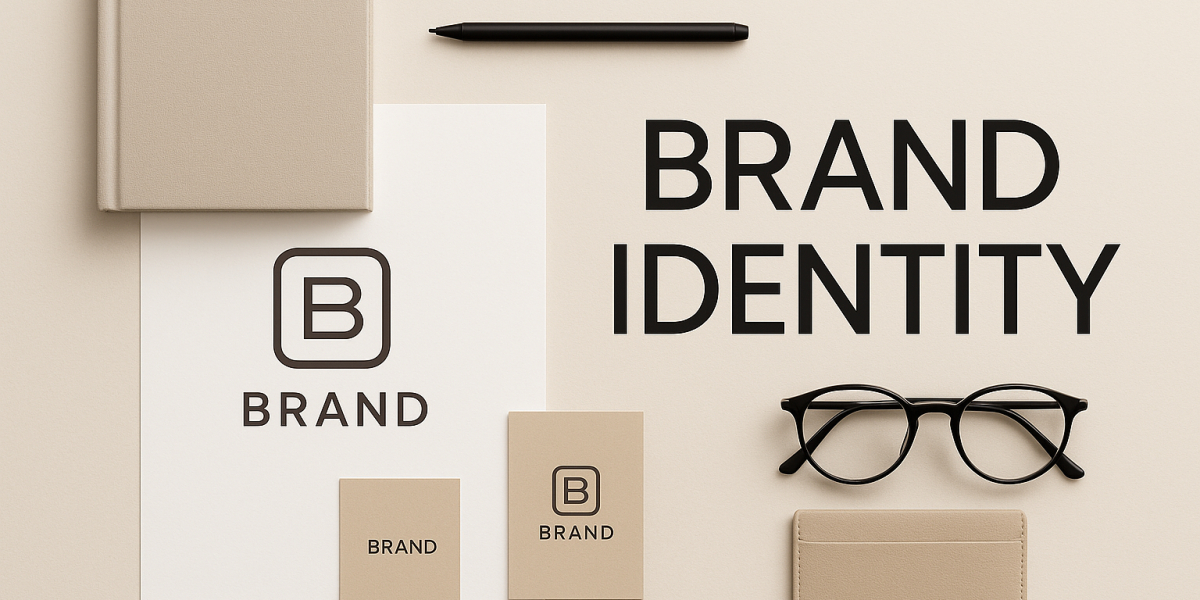
Modern brands are fighting a unique battle to be remembered instead of just being seen. And this is particularly challenging in an era where consumers are overwhelmed with choices and bombarded with digital messages every second. In the middle of all this, the difference between a brand that thrives and a brand that disappears often comes down to one powerful differentiator: a strong visual identity.
Visual identity forms the foundation on which customer perception is built. When executed strategically by expert branding and design services, it becomes a long-term asset that fuels recognition, credibility, emotional connection, and even commercial performance. A well-developed visual identity makes a company look attractive by shaping how people think and feel about the brand while also influencing brand storytelling and guiding consumer decisions before a single word is spoken.
As competition intensifies and digital experiences multiply, the visual layer of branding has become one of the most critical growth drivers for businesses of all sizes. Whether created by an in-house team or a specialized visual identity design company, the right identity system can elevate a business into a recognizable brand with meaningful positioning.
Understanding Visual Identity in a Modern Business Context
Visual identity refers to the complete visual language of a brand, which is inclusive of images, colors, typography, logos, illustrations, layouts, motion styles, and branded elements that collectively express who the brand is and what it stands for. Contrary to common belief, it goes far beyond designing a logo or choosing a color palette. Effective branding and graphic design skillfully capture the essence of a brand’s values, personality, voice, and promise to communicate it through structured visual components.
When built strategically, visual identity becomes a brand’s visual DNA in a true sense. It influences every interaction a customer has with the business, starting right from the website and social media to packaging, signage, product design, advertising, and internal culture. Remember: inconsistency in any of these touchpoints damages trust, while consistency reinforces familiarity & reliability.
One might still have questions about the importance of visual identity. Well, it is important because humans are visual decision makers. Studies in cognitive psychology repeatedly demonstrate that people process visuals 60,000 times faster than text, and 94% of first impressions are based on appearance. Before customers know what a company sells, they’d probably know how it feels.
That emotional reaction becomes the foundation for decisions about whether to trust, explore, purchase, or abandon.
Why a Strong Visual Identity Matters More Today Than Ever
It goes without saying that this shift to a digital-first marketplace has dramatically changed branding expectations. If we go 10-15 years back in time, a company’s primary way of interacting with audiences was through physical spaces and traditional advertising. Today, the coin has flipped. Consumers encounter brands on websites, mobile apps, social media feeds, online marketplaces, video platforms, conference booths, and print and digital packaging. Every tiny interaction is a moment of judgement now, and each touchpoint must reinforce the same story.
Consumers these days are exposed to thousands of brand messages every day. Their attention span is shrinking while choice is expanding. Amidst all this, a strong visual identity is what stops the scroll, sparks curiosity, and creates an emotional bridge. As a result, brands without a cohesive visual identity tend to blend into the noise. Their communication feels fragmented, unprofessional, or forgettable. Conversely, when design elements are consistent across every channel, the experience becomes unified and memorable as customers begin to recognize a brand instantly, even before they have seen a name or read an offer.
This ability to build recognition is one of the most powerful reasons why modern companies partner with professional visual identity agencies and creative design agencies. Put simply, visual consistency offers the most critical advantages in competitive markets, namely marketing efficiency, strengthened brand storytelling, and increased customer trust.
How Branding & Design Services Drive Business Growth
Professional branding is not even remotely about decoration as it is about strategy. A visually compelling identity is built on research, psychology, and positioning. Agencies specializing in branding and design services work to understand a brand from the inside out by studying its competitive landscape, audience expectations, cultural influences, product attributes, and emotional triggers. The resultant final design system is intentionally engineered to influence perception and drive business results.
A strong visual identity contributes directly to business growth in several impactful ways. First, it creates immediate brand recognition. When customers recognize a brand instantly, the likelihood of purchase increases dramatically. Why? Because familiarity reduces cognitive load, increases trust, and strengthens preference in buying decisions.
Second, it builds credibility. Believe it or not, but people trust brands that appear organized, professional, and visually consistent. Poor visuals signal disorganization, inexperience, or even lack of commitment, which are basically all the qualities that trigger risk aversion & reduce conversion.
Third, it creates emotional connection. Design elements such as color, typography, imagery, and shapes are powerful emotional cues. They shape how consumers feel before they logically evaluate what a brand offers.
Fourth, it differentiates a business from competitors, especially when products these businesses are offering are similar. In domains like SaaS, real estate, e-commerce, hospitality, and wellness, products risk becoming commodities. Visual identity creates meaning beyond the functional offering to give customers a strong reason for choosing one business over another.
Finally, strong visual identity increases the effectiveness of every marketing effort. Content performs better, ad spend works harder, campaigns achieve higher engagement, and brand messaging becomes more cohesive. Marketing becomes faster and cheaper when design foundations are already strong.
Core Elements That Define a Powerful Visual Identity
While it’s true that a logo is the most recognizable symbol of a brand, let’s not forget it is only one component of a much bigger ecosystem. A comprehensive visual identity system includes a number of other interconnected elements that must be designed to work together in sync.
Logo
The logo is a compact representation of purpose, philosophy, and emotion. It isn’t surprising that all the great logos are simple, timeless, scalable, and meaningful. They become iconic because they are grounded in strategy, not decoration. Nike, Apple, McDonald’s, and Airbnb are great examples of how logos can carry entire emotional worlds.
Color
Color is another significant element that influences perception at a subconscious level. In fact, color psychology research highlights that shades and tones evoke distinct emotional responses to drive purchase decisions. A well-chosen palette becomes a signature that customers learn to associate with a brand.
Typography
Typography sets the tone and voice right! Elegant serif fonts communicate heritage and sophistication, while minimal sans-serif fonts express modernity and clarity. It needs to be given proper thought because typography decisions affect readability, personality, and emotional texture.
Images
Imagery and photography style define how a brand tells visual stories. A consistent style across campaign photos, product displays, lifestyle imagery, or digital banners automatically enhances perceived quality and brand personality.
Graphics
Graphic motifs, icons, shapes, textures, animations, and layout systems create the rhythm of visual identity. They help unify communication pieces across platforms and prevent design from becoming generic. When customers can recognize a brand even without seeing a logo, you know the visual identity has matured.
Brand Collateral Design
Brand collateral design extends visual identity into real applications: business cards, brochures, presentations, packaging, merchandise, email templates, signage, vehicle wraps, and more. These materials bring identity into the physical world while also delivering professionalism.
Digital Identity
Digital identity, which generally includes website UI/UX design, app interfaces, social media branding, and digital advertising, has become a core expression of visual identity. The digital experience is often the first and primary interaction customers have, and poor interface design can undermine credibility instantly.
Together, these elements form a system that communicates consistency, competence, and brand value.
How Consistency Strengthens Trust, Recognition, and Loyalty
Consistency is the most powerful principle in visual branding. When consumers experience the same colors, typography, tone, logo placement, imagery style, and layout systems repeatedly over time, familiarity develops. And we all know how familiarity breeds trust and then trust drives purchase.
Inconsistent branding does the opposite: it confuses audiences, weakens recall, and signals instability. A number of businesses face challenges more because of an unattractive visual identity than because of its inconsistency across touchpoints. Without guidelines or structured brand governance, marketing materials become fragmented and damage credibility.
This is why a brand style guide developed by a professional visual identity agency is a non-negotiable. A well-designed brand guide functions as a toolkit that makes sure internal teams, creative partners, and franchisees build materials aligned to the same identity.
When consistency is maintained across months and years, visual identity becomes a mental shortcut. Customers can identify a brand in seconds based on visual cues alone. This instant recognition can totally be a major competitive advantage in fast-moving digital spaces where attention is scarce.
The Real-World Impact of Strong Visual Identity
Companies with strong visual identity systems consistently outperform competitors. When Airbnb rebranded in 2014, the new visual identity was not just aesthetic, it also told a story of community & belonging. This resulted in more meaningful global expansion and emotional connection. There are more examples:
- Dropbox used visual identity to reposition itself beyond cloud storage, embracing vibrant creativity through innovative typography and color that reflected its broader evolution.
- Starbucks built an entire lifestyle around its visual consistency, from packaging and signage to store interiors and merchandise to fuel global loyalty.
- Apple’s minimalist visual identity has shaped decades of innovation perception & elevated product premiumization.
These examples show that strong visual identity enables brands not just to differentiate, but to lead.
The Risks of Weak or Outdated Visual Identity
Brands inevitably face numerous challenges when visual identity is neglected.
- Customers may find it difficult to trust the brand or understand its purpose.
- Marketing performance declines due to lack of consistency.
- Sales teams face difficulty building credibility.
- Competitors with stronger identities gradually capture market share through superior perception.
An outdated or inconsistent identity can make even exceptional products look unprofessional. In many cases, brands find themselves forced to over-explain offerings, compensate through discounts, or invest heavily in advertising because visuals fail to communicate value.
For brands reaching a new audience, expanding product lines, pivoting positioning, or entering competitive markets, brand identity development and redesign can be worthwhile.
When Should a Brand Consider Rebranding or Refreshing Its Identity?
Rebranding becomes necessary when the existing identity no longer reflects ambition, market expectations, or customer perception. This often occurs when businesses outgrow early-stage branding, shift direction, merge or expand, suffer inconsistency, or face modern digital demands.
A professional redesign crafted by experts in branding and graphic design brings renewed clarity and energy. It reconnects brand values with customer expectations and signals evolution.
Why Partnering with a Creative Design Agency Matters
While DIY tools offer generic solutions, professional results require professional expertise. A specialized creative brand identity agency brings strategic thinking, design systems, experienced execution, and long-term vision by combining research, psychology, and creativity to build identities that drive measurable value.
Many businesses choose to hire graphic designers online or partner with scalable agencies that offer flexible models for startups, small businesses, and enterprises. In addition to designing assets, the right partner also delivers an integrated framework that becomes a strategic business advantage.
Final Thoughts: Visual Identity Is a Growth Engine, Not an Expense
A strong visual identity is one of the most powerful tools that shape customer perception, build trust, and fuel business expansion. It transforms a business into a brand, and a product into an experience by enhancing recognition, strengthening emotional connection, and making marketing exponentially more effective.
In a world where audiences choose with their eyes long before they choose with their wallets, brands that invest in cohesive, strategic, and memorable identity systems position themselves for long-term success.
Whether developing a new identity or refining an existing one, partnering with an expert visual identity design company or professional branding and design services can provide the clarity, creativity, and strategy required to compete and thrive.
In the end, it is important to not forget that design is something beyond decoration, it is growth, communication, and trust.
Need support building a powerful visual identity?
If you are looking to elevate your presence, refresh your brand, or establish a distinct creative footprint, investing in expert graphic design services & professional direction can pave your way towards greater opportunities.
Whether you need custom logo design, brand collateral design, or full identity development, the right team can help bring your vision to life with confidence and clarity!

Ishita Saga
| AuthorThis blog is published by Ishita Saga.
Recent Blogs
.jpg "Benefits of Order Tracking Apps for E-Commerce")
Benefits of Order Tracking Apps for E-Commerce
Mobile Apps | 24-09-2026
.jpg "10 Ways Salesforce SMS Improves Customer Engagement")
10 Ways Salesforce SMS Improves Customer Engagement
Salesforce | 23-09-2026
.jpg "How Full Stack Development Supports Scalable Enterprise Apps")
How Full Stack Development Supports Scalable Enterprise Apps
Mobile Apps | 22-09-2026
.jpg "Seedance 2.5 vs Higgsfield for App Launch Videos")
Seedance 2.5 vs Higgsfield for App Launch Videos
Technology | 14-09-2026