
WordPress Security Best Practices: Protecting Your Website from Threats
Web Development | By Joseph Chain | 22-09-2025
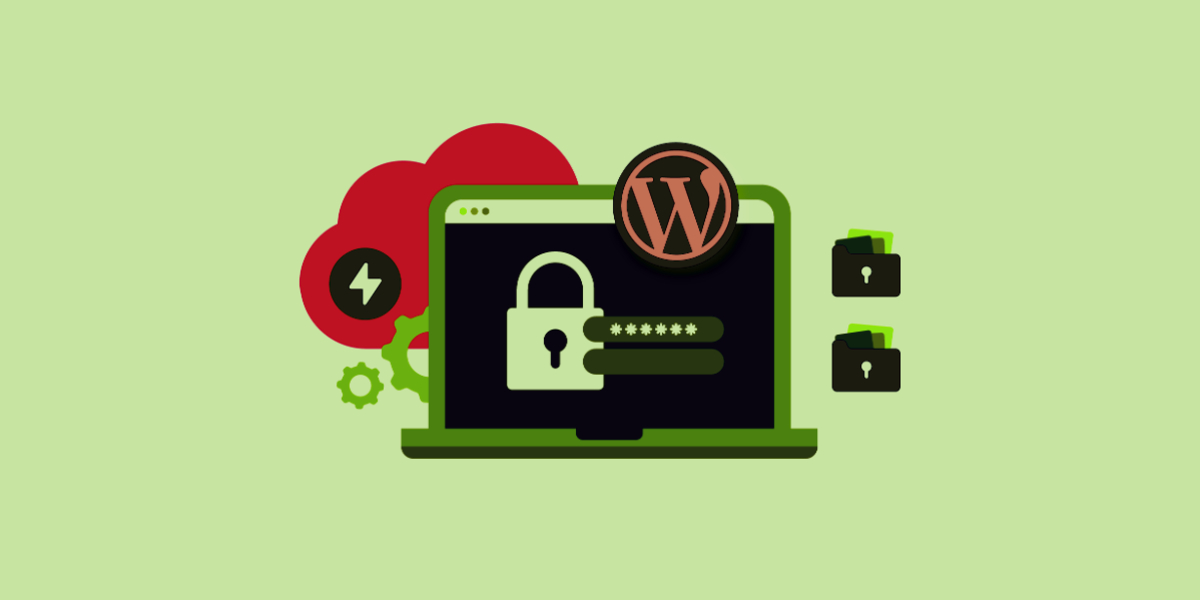
With digital being the new economy, your website is an essential lifeline of any business, be it as small as a personal blog, large into e-commerce, or even corporate in nature. Over the years, hundreds of content management systems (CMS) were released, yet asof 2025, WordPress holds 42% market share of all websites in existence today. Then, of course, there’s the dark side—Just like any other successful platform, WordPress can be a hacker’s playground.
Ensuring the security of your WordPress website is no longer a luxury but a necessity. Cyberattacks are becoming more complex each year, ranging from malware injections to phishing attempts and brute force logins. One small break can mean data exposure, a tarnished reputation, or even several thousand dollars lost in revenue.
This guide will reveal the top WordPress security tips in 2025 to secure your website from vulnerabilities.
What Does WordPress Security Mean in 2025
There is a rapid chicane with cyber threats as well. Hackers are no longer merely thrill seekers; they are now often part of organized cybercrime groups, and their targets include companies large and small.
Here’s why 2025 has made WordPress security more important than ever:
- Proliferation: Because so many websites are fueled by WordPress, it provides a lucrative opportunity for an attack.
- Data Privacy Laws: GDPR, CCPA, and other global rules in 2025 penalize websites harder for not keeping users’ data safe.
- AI-enhanced breaching: Finally, hackers are leveraging AI to make brute force attacks and phishing even more effective.
- Credibility & Brand: Customers trust a hacked website the moment they see it, and companies may end up spending many years trying to rebuild their reputations.
In other words, if you own a WordPress site in 2025, security is as essential as design, SEO or content.
The Most Common Security Threats to WordPress Sites
So before we get into best practices, let’s take a look at and identify the most prevalent threats faced by WordPress websites today:
- Brute-Force: Automation that guesses your login name/password.
- Malware and Ransomware: Scripts that do wrong, such as siphon information, redirect traffic, or blackmail you to get your site back.
- SQL Injection – Hackers exploit the loopholes in plugins or themes to tamper with your database.
- Cross-Site Scripting (XSS): Hackers enter foul scripts in your site code, which run on the users visiting it.
- Phishing Pages: A hacker creates a copycat site to deceive and harvest personal information from your visitors.
- Backdoors: Secret ways in, remaining after the first time a system is attacked, that allow hackers to enter at will over the long term.
Identifying these risks is the first step to taking action towards securing your WordPress properly.
Best Practices for Securing WordPress in 2025
Update WordPress Core, Themes, And Plugins
The most common way hackers exploit systems is through outdated software. Updates tend to have security patches to close known vulnerability issues.
- Best Option: Turn on Automatic Updates for minor releases. Preview your major updates by using a staging environment and then add them to your live site.
- Uninstall unnecessary plugins and themes. Anything not in use is a candidate for disaster.
Use Strong and Unique Passwords
Low-level passwords are an invitation to hackers. In 2025, password-cracking tools will be smarter than ever and it’s more important to use strong credentials.
- Use upper lower numbers specials OlmCa!!]){ The question is how to hash/obfuscate/sanitize passwords (response).
- Never reuse passwords across accounts.
- If you must use reused passwords, try 1Password or Bitwarden for managing unique ones.
Enable Two-Factor Authentication (2FA)
2FA is an extra layer of security beyond a simple password. Even if a hacker tries to guess your username and password, they can’t log in without the second verification factor.
- You can use SMS codes, authenticator apps such as Google Authenticator or hardware keys like YubiKey.
- Several security plugins provide native 2FA support for WordPress.
Choose a Reliable Hosting Provider
Your hosting has a major responsibility for securing your WordPress site. Opt for providers that offer:
- Automatic backups
- Firewalls and malware scanning
- SSL certificates
- DDoS protection
And by 2025, the majority of managed WordPress hosting providers have implemented an AI-based intrusion detection system that will shut down any suspicious activity instantly.
Install a Security Plugin
A great security plugin acts like a digital bodyguard for your website. Popular plugins in 2025 include:
- Wordfence Security – Endpoint firewall and malware scanning.
- Sucuri Security – Great for defending against DDoS and post-hack management.
- iThemes Security Pro – Features two-factor authentication and brute force protection.
These plugins include functionality such as malware scanning, login protection, file integrity monitoring, and more.
Implement SSL/HTTPS Across Your Site
SSL certificates encrypt information between the server and visitors, so your sensitive data (logins, payment details) is secure.
- Browsers in 2025 mark any site sans SSL as “Not Secure.”
- SSL certs also benefit your SEO, so they’re a must from both security and marketability angles.
Limit Login Attempts
Brute force attacks are based on an unlimited number of log in attempts. By restricting the amount of failed login attempts, you effectively eliminate the chance hackers can guess your password.
- Employ plugins like Limit Login Attempts Reloaded.
- Close the doors on IP addresses after a certain amount of failed log attempts.
Regular Backups Are Non-Negotiable
Even if you drill down all of your defenses, there will always be some small chance of compromise. That’s why regular back-ups are so important.
- Automate your backups daily, weekly or monthly.
- Save backups in a safe place, e.g., cloud storage (Google Drive, Dropbox, AWS).
- Test your backups frequently to make sure that they are restorable.
Harden Your WordPress Configuration
In addition to plugins and passwords, the hardening of your WordPress installation offers yet another level of security:
- File editing should be disabled in the WordPress dashboard.
- Change the default prefix of the WordPress database table to anything else that is unique.
- Use .htaccess restrictions on sensitive files.
- Move your wp-config. adt.php in a non-public folder.
This makes it a lot more difficult for attackers to abuse issues.
Monitor User Roles and Permissions
You don’t have to give every user access at an admin level. Grant the minimal possible privileges for each role.
- Audit user accounts regularly.
- Delete old accounts.
- Keep an eye on any suspicious activity with security plugins that monitor logins and changes.
Stay Informed on Security Trends
Cybersecurity is constantly evolving. The threats in 2025 are more AI-driven, and hackers adjust as they go.
- Subscribe to WordPress security blogs.
- Follow security researchers and WordPress updates. org.
- Train your staff on phishing and social engineering.
Information is one of the best defenses against changeable threats.
Advanced Security Measures for 2025
For companies that store sensitive customer information or process e-commerce transactions, they need even more advanced security.
- Web Application Firewalls (WAF): Stop threats before they reach your website.
- Through the Identification of high-risk connections: Hosting services or plugins with AI-driven logic that will alert on any foreign elements.
- Bot Mitigation: Control the bots that scrape your content or try to brute-force attack.
- Frequent Security Audits: Set up penetration and code reviews to find security holes.
These measures work as a security shield at the enterprise level for your WordPress website.
WordPress Security vs. Other CMS Platforms
It should be said that WordPress isn’t inherently less secure than other types of CMS systems. That it's successful also makes it more of a target. Platforms such as PrestaShop are also at risk for security threats, which explains why when you purchase an SEO module for PrestaShop, you'll commonly find modules with features for boosting the usability and compliance of your site (aside from just optimization). WordPress users are also learning which plugins, configurations, and best practices will help keep risks at a minimum.
This shows a truth for 2025, where the platform itself does not really matter when it comes to security; what matters is how well you maintain and protect your environment.
Conclusion
The Future of WordPress – Let’s Build It Secure
But what you get with WordPress security in 2025 is not just shielding against political hackers, but brand protection, customer trust online, and digital stability of all types. If you follow best practices, such as updating often, strong authentication, having backups and logging in place, you create a durable website prepared to resist threats over time.
In the same way that an online shop owner with PrestaShop will make use of features such as the SEO module for PrestaShop to boost visibility and performance, so too must WordPress site operators take a ‘security first’ approach. As cyberattacks get more and more advanced, security is no longer a checkbox—it’s an ongoing approach that must embrace the demands of a digital world.
Investing in protecting your WordPress site is an investment in the life, reputation, and successes of your business. Five years from now, the winners in business will be those that value security as much as design and content and marketing.

Joseph Chain
| AuthorJoseph Chain is a Professional Digital Marketer having experience of more than 5 years in the field. Currently working in a PrestaShop development company, FME Modules and striving to deliver engaging content across diverse industries.
Recent Blogs
.jpg "Benefits of Order Tracking Apps for E-Commerce")
Benefits of Order Tracking Apps for E-Commerce
Mobile Apps | 24-09-2026
.jpg "10 Ways Salesforce SMS Improves Customer Engagement")
10 Ways Salesforce SMS Improves Customer Engagement
Salesforce | 23-09-2026
.jpg "How Full Stack Development Supports Scalable Enterprise Apps")
How Full Stack Development Supports Scalable Enterprise Apps
Mobile Apps | 22-09-2026
.jpg "Seedance 2.5 vs Higgsfield for App Launch Videos")
Seedance 2.5 vs Higgsfield for App Launch Videos
Technology | 14-09-2026